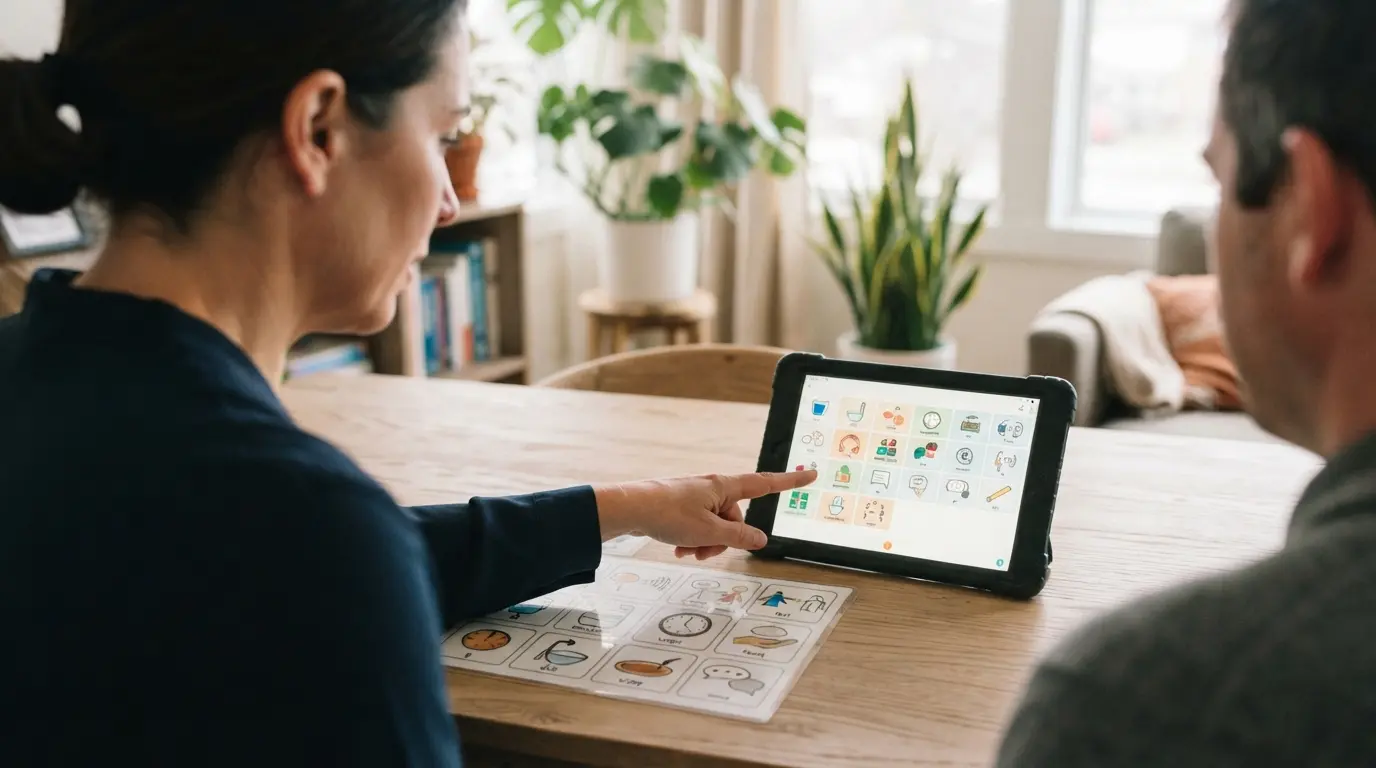
Many families ask the same question: should we start with NDIS Support Coordination or NDIS Positive Behaviour Support? In most cases, people get better results when these supports work together. NDIS Support Coordination helps organise services and keep everyone aligned. NDIS Positive Behaviour Support helps the team understand behaviour and use practical strategies that make daily life calmer and safer.
When NDIS Support Coordination and NDIS Positive Behaviour Support are connected, families often feel less overwhelmed. Support Workers know what to do. The participant receives more consistent support at home and in the community.
What NDIS Support Coordination does?
NDIS Support Coordination helps you use your NDIS plan properly. It turns your goals into clear next steps, then supports you to connect with the right providers to make those goals happen. This might include Support Workers, allied health, community access, and NDIS Positive Behaviour Support.
In day to day life, a Support Coordinator can help with provider matching, bookings, service agreements, and keeping services running smoothly. They also step in when something is not working, like repeated cancellations, confusing communication between providers, or a service that does not feel like the right fit. This is where NDIS Support Coordination is most valuable, because it reduces the amount of chasing and follow up a family has to do.
Some people need more complex support called Specialist Support Coordination. This can be helpful when the NDIS plan is harder to implement, when multiple services need to work together urgently, or when NDIS Positive Behaviour Support strategies need strong consistency across the whole team.
What NDIS Positive Behaviour Support does?
NDIS Positive Behaviour Support helps people understand behaviour in a respectful and practical way. Behaviour is often a sign that something is too hard, too overwhelming, or not being communicated clearly. NDIS Positive Behaviour Support looks for the reason behind the behaviour, then builds strategies that support safety, communication, and routine.
A key part of NDIS Positive Behaviour Support is creating a Behaviour Support Plan. This plan helps families and Support Workers know what to do each day, what to do early when stress starts building, and what to do when situations become challenging. The best Behaviour Support Plans are practical, clear, and easy to follow in real life.
Why NDIS Support Coordination and NDIS Positive Behaviour Support work better together?
A Behaviour Support Plan only helps if it is used consistently. This is where NDIS Support Coordination makes a big difference. NDIS Support Coordination helps make sure the NDIS Positive Behaviour Support plan is shared with the right people, understood by the team, and used in the same way across shifts.
Support Coordination can also help align Support Worker rosters and routines. Predictable routines support NDIS Positive Behaviour Support outcomes because the person knows what to expect. When support is inconsistent, stress can rise faster. When support is consistent, strategies are easier to follow and progress is more likely.
What a coordinated approach can look like?
In the first few weeks, NDIS Support Coordination usually helps confirm priorities and organise services. At the same time, NDIS Positive Behaviour Support begins learning about routines, what triggers stress, and what helps the person feel calm. Early strategies can start straight away, even before a full plan is finalised.
Over time, the team uses the same approach more consistently. The NDIS Positive Behaviour Support plan becomes clearer, routines become steadier, and the person can practise new skills with the same support methods each week. This approach helps avoid a common problem in the NDIS, where funding exists but the services do not feel coordinated in day to day life.
How Support Workers fit into NDIS Positive Behaviour Support?
Support Workers are often the people using behaviour strategies the most, because they are there during everyday routines. NDIS Positive Behaviour Support works best when Support Workers follow the plan the same way each shift. This consistency helps the participant feel safer, calmer, and more confident.
NDIS Support Coordination supports this by helping with provider matching, communication, and stable scheduling. NDIS Positive Behaviour Support supports this by coaching Support Workers on what to do, what to track, and how to respond early before stress escalates.
Where a Sensory Room can support NDIS Positive Behaviour Support
For some participants, sensory regulation strategies support NDIS Positive Behaviour Support outcomes. A Sensory Room can provide a structured, calm space where someone can practise regulation routines and coping tools. It can be helpful before community access, during transitions, or when a calm reset is needed.
A Sensory Room works best when it is connected to the NDIS Positive Behaviour Support plan and used consistently, not randomly.
Multicultural and multilingual NDIS support
Clear communication is important, especially when teams are learning strategies and trying to keep routines consistent. Universal Ability supports multicultural communities and can assist families who speak Turkish, Kurdish, Farsi, and Tagalog. This helps families and Support Workers understand NDIS Positive Behaviour Support strategies clearly and apply them with confidence.
Call to action
If you want NDIS Support Coordination and NDIS Positive Behaviour Support to work together in a practical way, Universal Ability can help. We support participants and families with coordinated planning, NDIS Positive Behaviour Support strategies, Support Worker alignment, and sensory supports. Contact Universal Ability to discuss NDIS Support Coordination, NDIS Positive Behaviour Support, and the next steps for building calmer, more consistent routines.