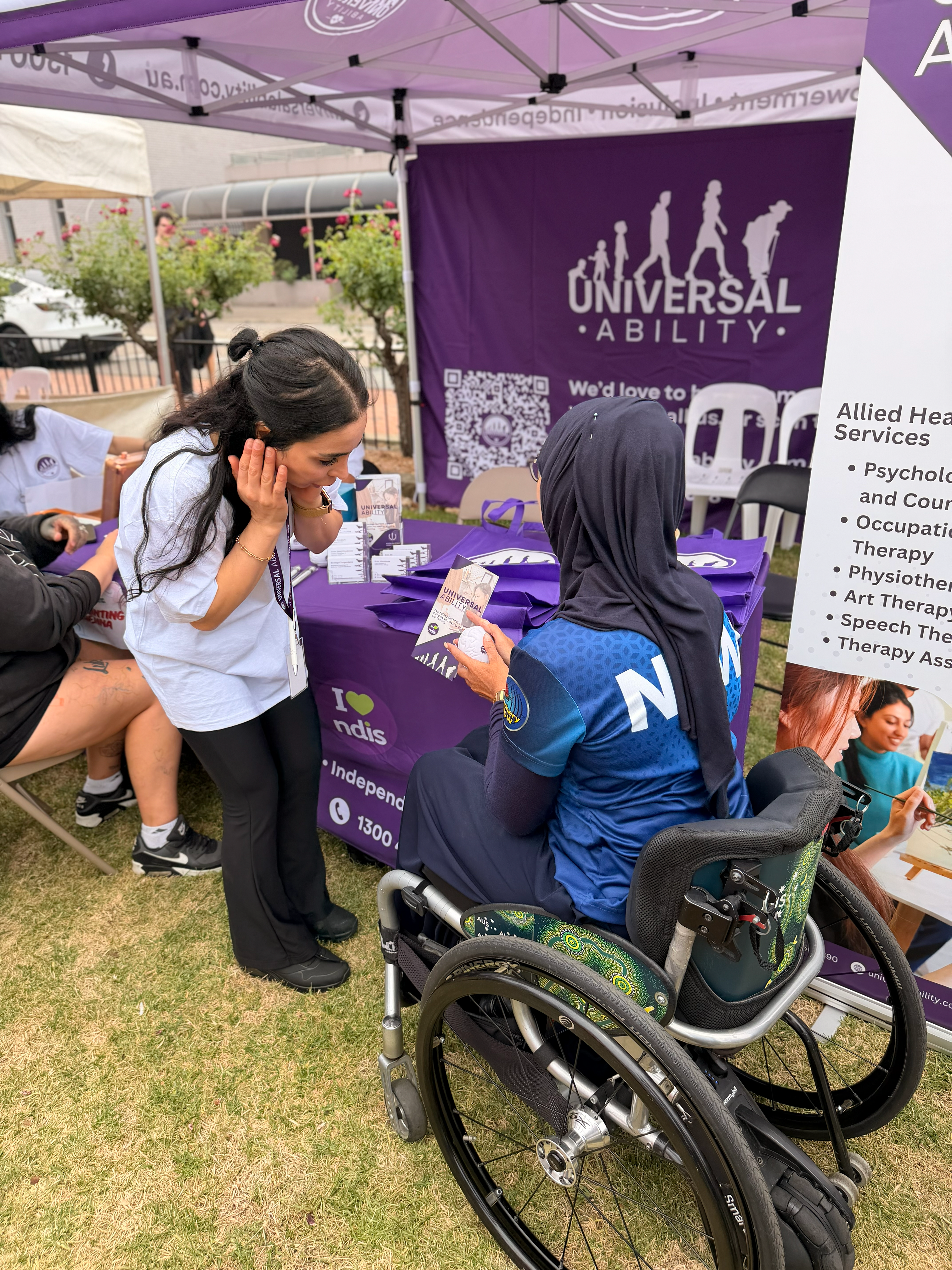
Support Coordination is one of the most common NDIS supports people ask about, especially when they are trying to set up services quickly, manage provider changes, or reduce stress for the whole household. Across Western Sydney and South West Sydney, families often reach out from Parramatta NSW 2150, Westmead NSW 2145, Merrylands NSW 2160, Granville NSW 2142, Wentworthville NSW 2145, and surrounding suburbs to ask what Support Coordination actually covers and how to make it work in real life.
This blog answers the most frequent questions we hear, in plain language, with practical tips you can use straight away.
What is NDIS Support Coordination and how does it help participants?
Support Coordination is a capacity building support that helps you understand your NDIS plan, connect with services, and build the skills and confidence to manage supports over time. It is especially useful when you have multiple providers, changing needs, or want a clearer path from goals to action.
What does a Support Coordinator do for your NDIS plan and goals?
A Support Coordinator can help you:
- Break down your NDIS goals into practical steps and timeframes
- Find and compare NDIS providers that suit your needs and preferences
- Support you to negotiate service agreements and start services correctly
- Coordinate appointments and reduce clashes between supports
- Troubleshoot issues such as cancellations, waitlists, or poor provider fit
- Build your confidence to make choices and manage your supports independently
For many people, the biggest benefit is having someone who can turn a plan into a workable weekly routine, especially when Support Workers, therapy, community access, and Behaviour Support need to align.
How Support Coordination supports families and carers in Western Sydney
Families often carry the mental load of calls, paperwork, schedules, and provider follow ups. Support Coordination helps reduce that load. If you are balancing school routines, work, or caring responsibilities in suburbs like Northmead, Greystanes, Guilford West, or South Wentworthville, clear coordination can make daily life feel more manageable.
Do I qualify for Support Coordination in my NDIS plan?
Support Coordination is included when it is considered reasonable and necessary for implementing your plan. Not every plan includes it, but many do, particularly when there are barriers to using supports effectively.
Common reasons participants in Parramatta and Westmead request Support Coordination
Support Coordination is commonly used when you are:
- New to the NDIS and setting up providers for the first time
- Experiencing service gaps or difficulty finding the right provider
- Managing multiple supports that need to work together
- Preparing for major transitions, such as leaving school, starting employment, or changing living arrangements
- Supporting complex needs that require careful planning and consistency
When Support Coordination is most helpful for complex support needs
If your situation includes high levels of stress at home, frequent changes to Support Workers, or challenges coordinating Behaviour Support, Support Coordination can create a more stable environment. It helps ensure strategies are communicated clearly and implemented consistently across your team.
What is the difference between Support Coordination, and Specialist Support Coordination?
This is one of the most searched questions because the wording can feel confusing. The levels relate to how much support you need to implement your plan.
Level 1 Support Coordination explained
Support Coordination is usually shorter term. It helps you connect with providers and start services. Learn more about our NDIS Level 1 Support Coordination.
Level 2 Support Coordination explained
Support Coordination is more ongoing support. It focuses on implementing your plan, coordinating services, and building your capacity to manage supports. Learn more about our NDIS Level 2 Support Coordination.
Level 3 Specialist Support Coordination explained
Specialist Support Coordination is for more complex situations. It supports participants with significant barriers to plan implementation and helps reduce complexity in the support environment. Learn more about our NDIS Level 3 Support Coordination.
If you are unsure, a practical question to ask is: Do I need help to get started, help to stay organised, or specialist help to manage complex barriers?
Can I use a Registered NDIS Provider for Support Coordination?
Yes. Your choice of provider can depend on how your plan is managed and your preferences. Many participants and families prefer a Registered NDIS Provider because it can feel more structured and consistent, especially when multiple supports need to work together.
Registered NDIS Provider vs unregistered provider options
Both can be effective. The key is choosing a provider with strong communication, clear processes, and a genuine focus on your goals. Universal Ability is a Registered NDIS Provider and Disability Service Provider supporting participants across Western Sydney.
How plan management affects your provider choice
Some plan management arrangements impact which providers you can use and how invoices are processed. A Support Coordinator can help you understand these details so services start smoothly and funding is used appropriately.
How do I choose the right Support Coordination provider in Western Sydney?
In areas with many providers, like Parramatta, Merrylands, and Granville, it helps to choose based on fit, responsiveness, and local knowledge.
Questions to ask a Support Coordinator before you start
Ask:
- How do you communicate and how quickly do you respond?
- How do you help with provider matching and service agreements?
- What is your approach when services break down or there is conflict?
- How do you support plan reviews and evidence gathering?
- Can you support multilingual communication if needed?
Provider matching tips for Merrylands, Granville, and Wentworthville
Look for a coordinator who can offer practical options, not just a list. Provider matching works best when it includes your goals, preferred routines, communication style, cultural needs, and the suburbs you want services delivered in.
Universal Ability supports multilingual communication including Turkish, Kurdish, Farsi, and Tagalog, which can be a major help for families who want clear explanations and less stress.
What should I prepare for my first Support Coordination appointment?
Preparing well helps your first Support Coordination meeting deliver real outcomes, not just information sharing. The goal of the first session is to understand your NDIS plan, confirm what you want to achieve, and create a clear action plan for the next 2 to 4 weeks. If you are in Parramatta, Westmead, Merrylands, Granville, or Wentworthville, good preparation also helps your Support Coordinator match you with local providers faster.
Documents and information to bring to your Support Coordination meeting
Bring:
- Your NDIS plan and goals
- Any current service agreements
- A list of current providers and what is working or not working
- A weekly routine overview, including preferred times and locations
- Key communication needs, supports, and risk considerations
Setting goals, routines, and service priorities clearly
If you feel overwhelmed, start small. Choose one or two priorities for the first month, such as establishing Support Worker shifts, booking therapies, or organising Behaviour Support. Strong Support Coordination focuses on progress you can feel week to week.
How long does Support Coordination take to set up NDIS services?
Timeframes vary, but a realistic early goal is progress within the first few weeks.
Timeframes for connecting Support Workers, therapy, and community access
In many cases, you can expect:
- Week 1 to 2: clarify goals, shortlist providers, begin referrals
- Week 3 to 4: service agreements underway, rosters or bookings confirmed
- Month 2 onwards: routine stabilisation, monitoring, and capacity building
Waitlists can affect timing, especially for specialised services. The role of Support Coordination is to keep momentum, reduce delays, and explore alternatives when needed.
Can I change my Support Coordinator if it is not working?
Yes. You should feel respected, heard, and supported. If communication is unclear or progress stalls, it is reasonable to raise it and request a reset meeting.
Signs you may need a different Support Coordination approach
Common signs include:
- long response delays without explanation
- unclear actions or limited follow through
- lack of transparency about priorities and time use
- a poor understanding of your goals and daily realities
How to switch providers with minimal disruption to supports
A good transition includes a handover summary of services, routines, and active referrals. The goal is continuity and stability.
Call to action
If you are looking for Support Coordination in Western Sydney or South West Sydney, including Holroyd NSW 2142, Westmead NSW 2145, Woodpark NSW 2164, Granville NSW 2142, Merrylands NSW 2160, Parramatta NSW 2150, and surrounding suburbs, Universal Ability can help. Visit our Support Coordination service page or contact our team to book a planning call and start implementing your NDIS supports with clarity and confidence.