NDIS assistive technology is a tool that helps you do a task. It is gear that makes life easier for you. You might need it to move around. You might need it to talk to friends. The NDIS can pay for this gear if it helps you reach your goals.
TL;DR: The Quick Guide
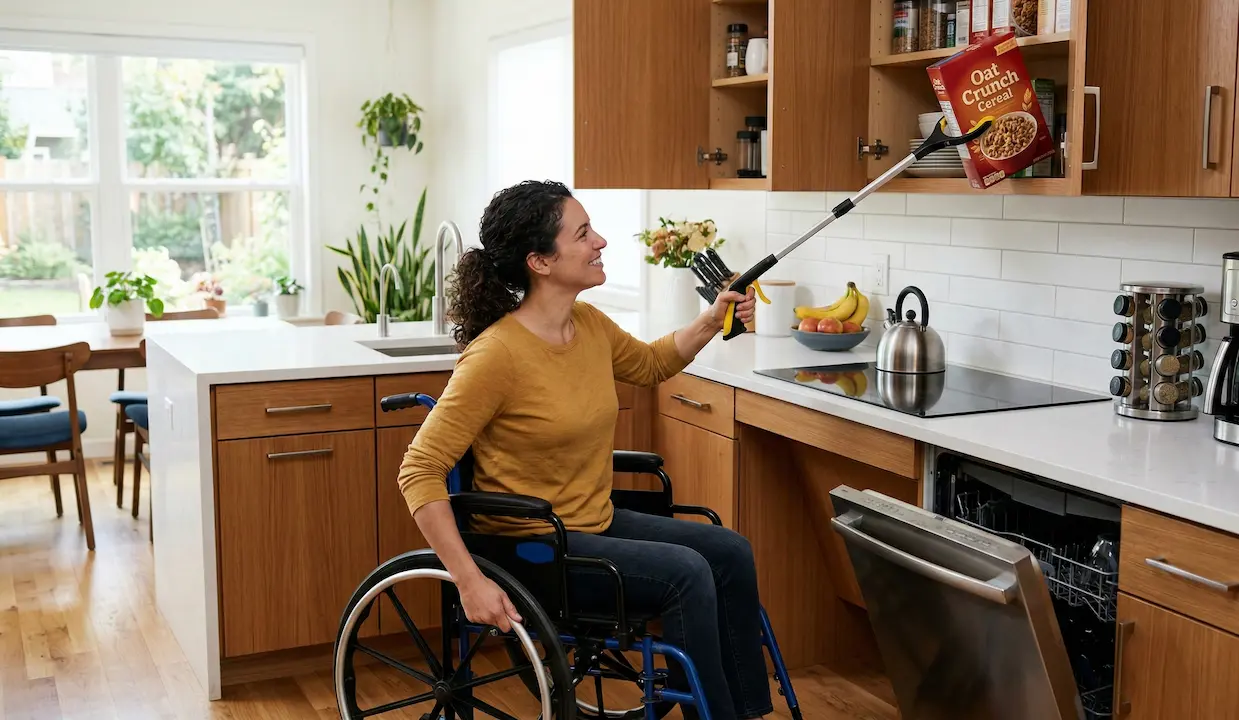
Assistive technology is also called AT. It can be a simple stick to help you walk. It can be a big power chair. There are three price levels. Small items cost less than $1,500. Mid-cost items cost up to $15,000. Large items cost more than that. This gear helps you stay safe at home. It helps you do things on your own.
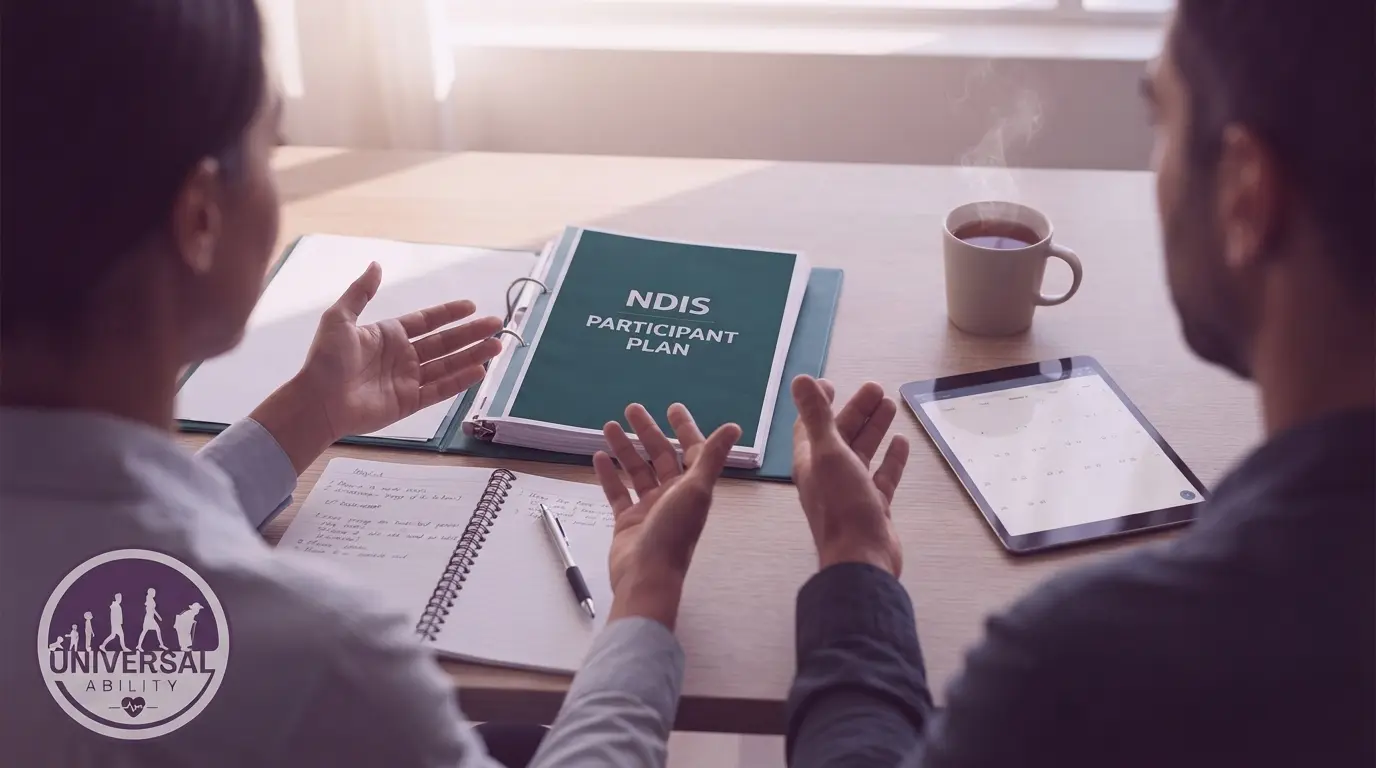
You must show the NDIS why you need the tool. A therapist can help you with this. They will watch you use the gear. They will write a report. This report tells the NDIS the gear is a good fit. Our team in Parramatta and Canberra helps you find these tools. We make sure you get the right help for your plan.
What is NDIS assistive technology?
It is any tool that helps you with your disability. It makes hard tasks feel easy. It keeps you safe while you move.
Some people use a ramp to get into the house. Some use a special cup to drink. These tools help you live a better life. The World Health Organisation says these tools are very important. They help you stay healthy. They help you join in with others.
Most tools are simple to use. You might use a non-slip mat in the bath. You might use a loud clock to wake up. These small things help a lot every day.
How does the NDIS pay for gear?
The NDIS looks at the price of the gear. They put the money in your plan. They use two main parts of your budget.
The gear must be a fair price. It must help you with your disability. We help people in Parramatta and Westmead get this proof. We make sure the NDIS understands your needs.
Why do you need an AT assessment?
An assessment is a check-up for your gear. An expert looks at how you use the tool. This keeps you safe.
You will meet with a therapist. They are like a coach for your gear. They check your home. They check your body. They make sure the tool is easy for you to use. This stops you from buying the wrong thing.
You can read the NDIS Assistive Technology Guideline to learn more. It is smart to try the gear first. We find that testing it helps you choose. Many shops in Sydney let you try gear for a day.
How can you find low cost assistive technology?
You can buy low-cost tools at many shops. You use your Core budget for these. You do not need a big report.
Here are some low-cost tools:
- Special spoons for eating.
- Grips for pens.
- Mats that do not slide.
- Easy door handles.
Just keep the paper that shows what you paid. If you need help, ask your Support Coordination team. They know which tools fit your plan.
Where can you try gear in Western Sydney?
There are shops in Parramatta and Westmead with gear to try. You can sit in the chairs. You can use the tools.
It is good to try two or three items. Then you can pick the best one. Some chairs feel soft. Some chairs move fast. You should pick what feels right for you.
Our team helps you find these shops. We want you to be the boss of your gear. You can look at the National Equipment Database to see more tools. It is a big list of gear in Australia.
What does an Occupational Therapist do?
An Occupational Therapist is called an OT. They help you do daily tasks. They look at your home and your tools.
Our Occupational Therapy team comes to see you. They see how you cook or wash. Then they write a note for the NDIS. This note says why the gear helps you.
They also help with your Health and Wellbeing. They make sure you stay strong. They make sure the gear does not hurt you.
How do you get high cost gear?
Large items need more work to get. You need a big report. You also need a price quote from a shop.
The NDIS checks if the gear is a good deal. They want to see if it lasts a long time. Your OT must say why you need that exact model.
It can take some time to get a "Yes" from the NDIS. Our Plan Management team helps you wait. They make sure the shop gets paid when the gear arrives.
Can gear help you talk?
Yes, some tools help you speak if you find it hard. These are called communication aids.
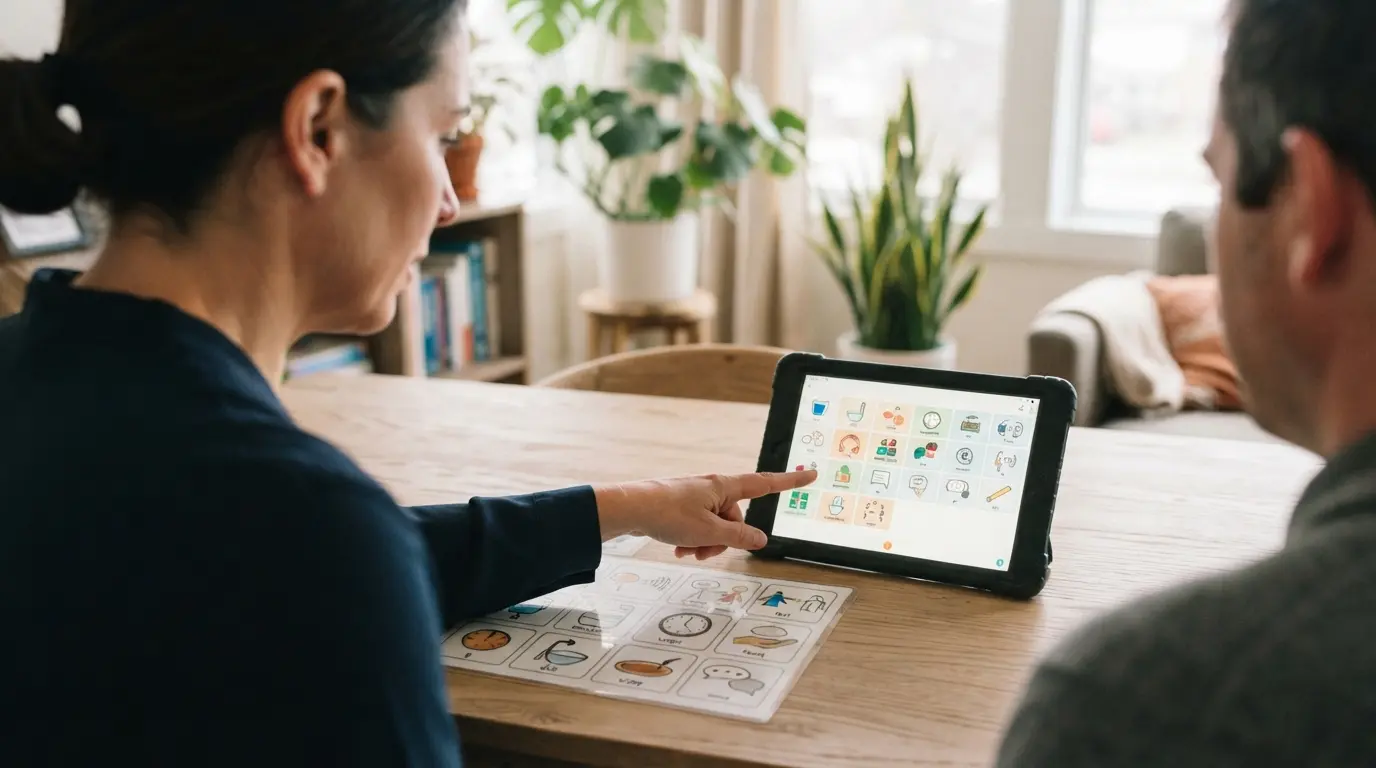
Our Speech Therapy team finds the best apps for you. Some people use a tablet. Some people use a board with pictures. These tools help you tell people what you need.
Talking is very important. The Australian Rehabilitation & Assistive Technology Association has great info on this. The right tool can help you make new friends.
What happens after you get your gear?
You must learn how to use your new tool. You should also learn how to clean it.
You can use NDIS money to pay for lessons. An OT can show you how to be safe. They can teach your family how to help you. This makes sure the gear stays in good shape.
Save all the books that come with the gear. If it breaks, you will know who to call. You can find more tips on the EnableNSW website. They know a lot about keeping gear safe.
FAQ
Can I get my gear fixed?
Yes, the NDIS can pay to fix your gear. You should have some money for this in your plan. If it is a big fix, you might need a quote.
Can I buy gear from a normal shop?
You can buy small items from a normal shop. For big gear, you must go to a special NDIS shop. This makes sure the gear is safe for you.
What if my plan changes?
You can ask for a new plan if you need more help. Your OT will help you ask the NDIS. We can help with Application Assistance if you need it.
Does it help with smart homes?
Yes, the NDIS can pay for smart tools. This could be lights that turn on when you talk. It helps you stay in control of your home.
How we can help
We are a local team in Western Sydney and Canberra. We help you find the best tools for your life. We offer Psychology, Holistic Therapy, and Community Access.
Would you like to talk about your gear? Contact us today. We can help you start.NDIS assistive technology is a tool that helps you do a task. It is gear that makes life easier for you. You might need it to move around. You might need it to talk to friends. The NDIS can pay for this gear if it helps you reach your goals.
TL;DR: The Quick Guide
Assistive technology is also called AT. It can be a simple stick to help you walk. It can be a big power chair. There are three price levels. Small items cost less than $1,500. Mid-cost items cost up to $15,000. Large items cost more than that. This gear helps you stay safe at home. It helps you do things on your own.
You must show the NDIS why you need the tool. A therapist can help you with this. They will watch you use the gear. They will write a report. This report tells the NDIS the gear is a good fit. Our team in Parramatta and Canberra helps you find these tools. We make sure you get the right help for your plan.
What is NDIS assistive technology?
It is any tool that helps you with your disability. It makes hard tasks feel easy. It keeps you safe while you move.
Some people use a ramp to get into the house. Some use a special cup to drink. These tools help you live a better life. The World Health Organisation says these tools are very important. They help you stay healthy. They help you join in with others.
Most tools are simple to use. You might use a non-slip mat in the bath. You might use a loud clock to wake up. These small things help a lot every day.
How does the NDIS pay for gear?
The NDIS looks at the price of the gear. They put the money in your plan. They use two main parts of your budget.
The gear must be a fair price. It must help you with your disability. We help people in Parramatta and Westmead get this proof. We make sure the NDIS understands your needs.
Why do you need an AT assessment?
An assessment is a check-up for your gear. An expert looks at how you use the tool. This keeps you safe.
You will meet with a therapist. They are like a coach for your gear. They check your home. They check your body. They make sure the tool is easy for you to use. This stops you from buying the wrong thing.
You can read the NDIS Assistive Technology Guideline to learn more. It is smart to try the gear first. We find that testing it helps you choose. Many shops in Sydney let you try gear for a day.
How can you find low cost assistive technology?
You can buy low-cost tools at many shops. You use your Core budget for these. You do not need a big report.
Here are some low-cost tools:
- Special spoons for eating.
- Grips for pens.
- Mats that do not slide.
- Easy door handles.
Just keep the paper that shows what you paid. If you need help, ask your Support Coordination team. They know which tools fit your plan.
Where can you try gear in Western Sydney?
There are shops in Parramatta and Westmead with gear to try. You can sit in the chairs. You can use the tools.
It is good to try two or three items. Then you can pick the best one. Some chairs feel soft. Some chairs move fast. You should pick what feels right for you.
Our team helps you find these shops. We want you to be the boss of your gear. You can look at the National Equipment Database to see more tools. It is a big list of gear in Australia.
What does an Occupational Therapist do?
An Occupational Therapist is called an OT. They help you do daily tasks. They look at your home and your tools.
Our Occupational Therapy team comes to see you. They see how you cook or wash. Then they write a note for the NDIS. This note says why the gear helps you.
They also help with your Health and Wellbeing. They make sure you stay strong. They make sure the gear does not hurt you.
How do you get high cost gear?
Large items need more work to get. You need a big report. You also need a price quote from a shop.
The NDIS checks if the gear is a good deal. They want to see if it lasts a long time. Your OT must say why you need that exact model.
It can take some time to get a "Yes" from the NDIS. Our Plan Management team helps you wait. They make sure the shop gets paid when the gear arrives.
Can gear help you talk?
Yes, some tools help you speak if you find it hard. These are called communication aids.
Our Speech Therapy team finds the best apps for you. Some people use a tablet. Some people use a board with pictures. These tools help you tell people what you need.
Talking is very important. The Australian Rehabilitation & Assistive Technology Association has great info on this. The right tool can help you make new friends.
What happens after you get your gear?
You must learn how to use your new tool. You should also learn how to clean it.
You can use NDIS money to pay for lessons. An OT can show you how to be safe. They can teach your family how to help you. This makes sure the gear stays in good shape.
Save all the books that come with the gear. If it breaks, you will know who to call. You can find more tips on the EnableNSW website. They know a lot about keeping gear safe.
FAQ
Can I get my gear fixed?
Yes, the NDIS can pay to fix your gear. You should have some money for this in your plan. If it is a big fix, you might need a quote.
Can I buy gear from a normal shop?
You can buy small items from a normal shop. For big gear, you must go to a special NDIS shop. This makes sure the gear is safe for you.
What if my plan changes?
You can ask for a new plan if you need more help. Your OT will help you ask the NDIS. We can help with Application Assistance if you need it.
Does it help with smart homes?
Yes, the NDIS can pay for smart tools. This could be lights that turn on when you talk. It helps you stay in control of your home.
How we can help
We are a local team in Western Sydney and Canberra. We help you find the best tools for your life. We offer Psychology, Holistic Therapy, and Community Access.
Would you like to talk about your gear? Contact us today. We can help you start.